English

Eating Disorder Recovery Adult Residential Care
If you, or someone you love, is caught in the grasp of an eating disorder, an adult residential eating disorder program may be the most effective way to reclaim your freedom.
Rogers Behavioral Health has been a leader in residential treatment for eating disorders for more than three decades. We were among the first offering the most intensive level of care and pioneered separate programming for males back in 1997. Our ability to handle complex cases, particularly with co-existing eating disorders and obsessive-compulsive disorder and anxiety, is well recognized by referring providers. Our outcomes show that our eating disorders treatment for adults works.
Through our adult residential eating disorder program, you’ll find a physician-led, multidisciplinary team of professionals focused on treating adults 18 years of age and older suffering with:
- Anorexia nervosa
- Bulimia nervosa
- Binge eating disorder
- Avoidant restrictive food intake disorder (ARFID)
- Other eating disorders or co-occurring conditions, with a focus on OCD and anxiety
Our goal? To help you become nutritionally and medically stable, provide the structure and skills needed to face your challenges, and overall, to help you or a loved one find the resilience to achieve and maintain recovery.
We want to help.
Contact us to request a free confidential screening and learn more.
Call 800-767-4411 or use our screening request form
Residential care requires you live on campus for approximately 45 to 60 days. Adults struggling with an eating disorder will benefit from an individualized treatment plan designed to heal physical health, mental health, and self-esteem. Through a variety of activities and therapies, in group and individual settings, you’ll build skills to create positive, lasting change in the way you think and behave when it comes to food, exercise, and body image.
In addition to medical management, your personal care plan will include cognitive behavioral therapy (CBT) with an emphasis on exposure and response prevention (ERP), along with behavioral activation and dialectical behavior-informed skill development.
At Rogers, experiential therapy is an integral part of all of our residential care. A special focus is horticultural therapy, where you’ll use your CBT and ERP coping skills to address your anxieties and fears as you grow, maintain, and eventually prepare meals for you and your family.
Other components of therapy include:
- Nutrition counseling
- Individual and group therapy
- Family education and family therapy
- Spiritual/pastoral care
- Substance use counseling
Learn more about specific therapies and our therapeutic approach.
What patients are saying about horticultural therapy
“I have to say, I was skeptical about horticulture—not really sure what it could do for my recovery. There is something really special about watching life grow all around. The day we talked about seeds was really amazing because I actually started to connect plants with food and life. I finally started to wonder if it was possible to see food as life. I find the plants to be so beautiful and calming. I’m actually going to continue to plant things with my kids and foster kids when I go home.
~Former Adult patient, residential Eating Disorder Recovery
“Thanks for showing me the power of plants. It has truly helped me re-connect with the world around me."
~Former Adult patient, residential Eating Disorder Recovery
We know it can be difficult to ask for help, and you may be unsure about what to expect if you do reach out. We’re here to guide you through the changes you want to make with around-the-clock support. Our care provides the structure and encouragement you need to stick with your treatment guidelines, meet your goals and improve your quality of life.
Sample adult eating disorder treatment schedule
Cognitive behavioral therapy (CBT): 3 hours daily
CBT is highly effective in helping patients make changes in their behaviors, thoughts, and emotions.
Experiential therapy: 1 to 2 times per week
Includes horticultural, recreational, and art therapy to strengthen coping skills while learning to connect and express thoughts in many ways.
Exposure and response prevention (ERP): daily 2 x per day
A component of CBT, ERP helps individuals gradually confront their fears and reduce their anxiety in a planned manner. Working through these “hierarchies” of addressing fears provides a thorough, creative approach for effective treatment
Family therapy: 1 time per week
Family & Friends program: monthly
Consists of psycho-education for families from various treatment team members, meal-time with patients and a support group in the afternoon.
Meet with dietician individually: 1 time per week
Meet with psychiatrist: 2 to 3 times per week
Meet with therapist individually: 1 time per week
Nutrition group therapy: 1 time per week
Group session facilitated by a registered dietician on nutrition. You will gain a basic understanding of nutritional information. Examples: why bodies need carbohydrates, the importance of fat, how to menu plan.
Pet therapy: 1 time per week
Spiritual care: 1 time per week (optional)
This is an optional group therapy that offers residents the chance to explore.
Therapeutic passes and community outings: (throughout the week)
Allow patients to experience triggering real-life situations and process their challenges and progress with the treatment team.
Eating disorder residential treatment team
Your caring and compassionate team of providers includes board-certified psychiatrists, a primary care provider, a clinical psychologist, social workers and counselors, behavioral specialists, registered nurses, registered dietitians, experiential therapists and more—all helping you work toward resilience and recovery.
-

Brad E. R. Smith, MD, DFAPA
Chief Medical Officer
Brad E. R. Smith, MD, DFAPA, is chief medical officer for Rogers Behavioral Health.
Since he joined Rogers in 2011, Dr. Smith has built a successful career at Rogers as medical director ...
Read More -
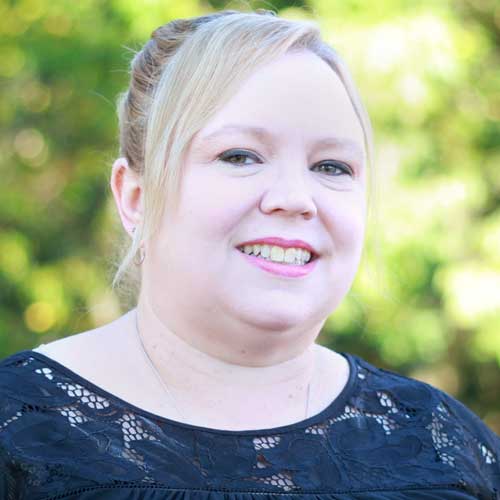
Jenifer Waite-Wollenburg
Manager of Operations, Eating Disorder Recovery Residential Care
Jenifer Waite Wollenburg, MS-ATR, is manager, operations for Eating Disorder Recovery Residential Care. She is responsible for the oversight of its daily operation. She coordinates with the ...
Read More
Eating Disorder Recovery Residential Care for Adults overview and tour
Nestled on nine acres of prairie and woodlands, this setting provides a tranquil and healing experience. About two miles down the road from our main campus in Oconomowoc, Wisconsin, we offer comfortable treatment and living areas with semi-private bedrooms that complement the home-like kitchen and dining areas.
Click on the images to view larger.

EDCext1.jpg

EDCext2.jpg
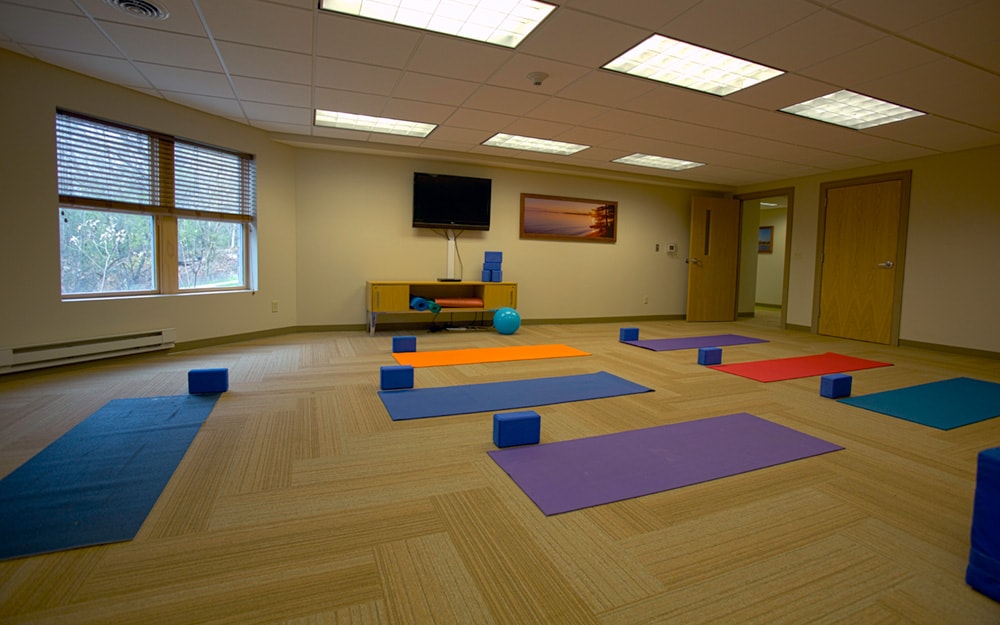
Yoga Room
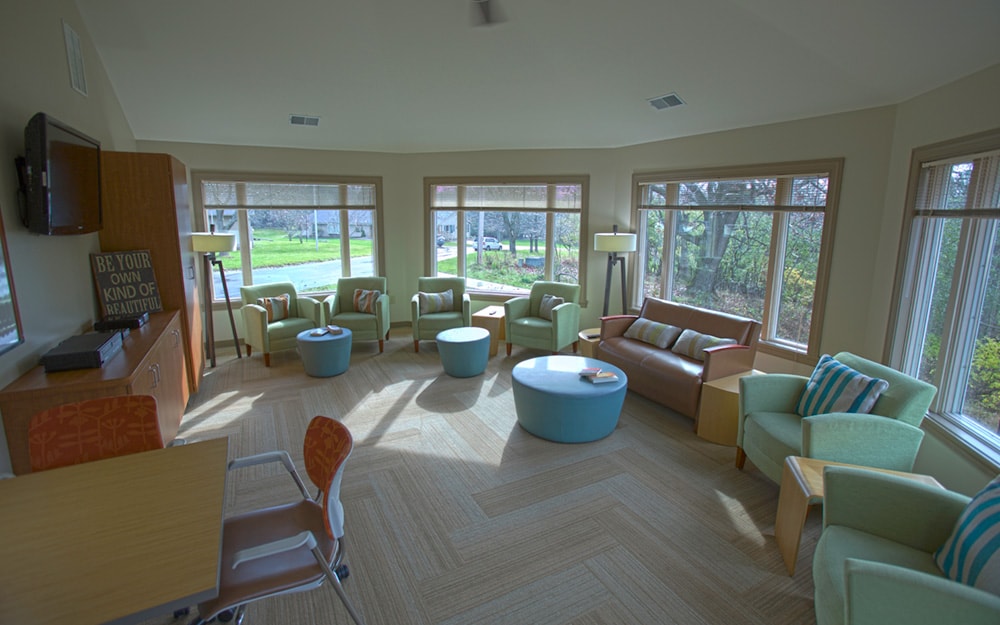
TV Group Room
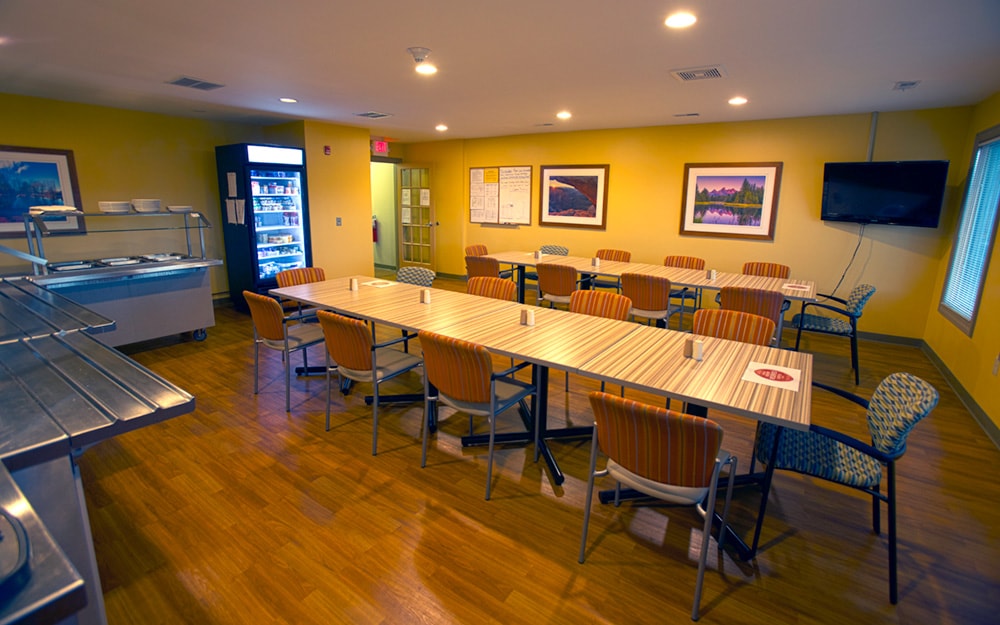
Cafeteria
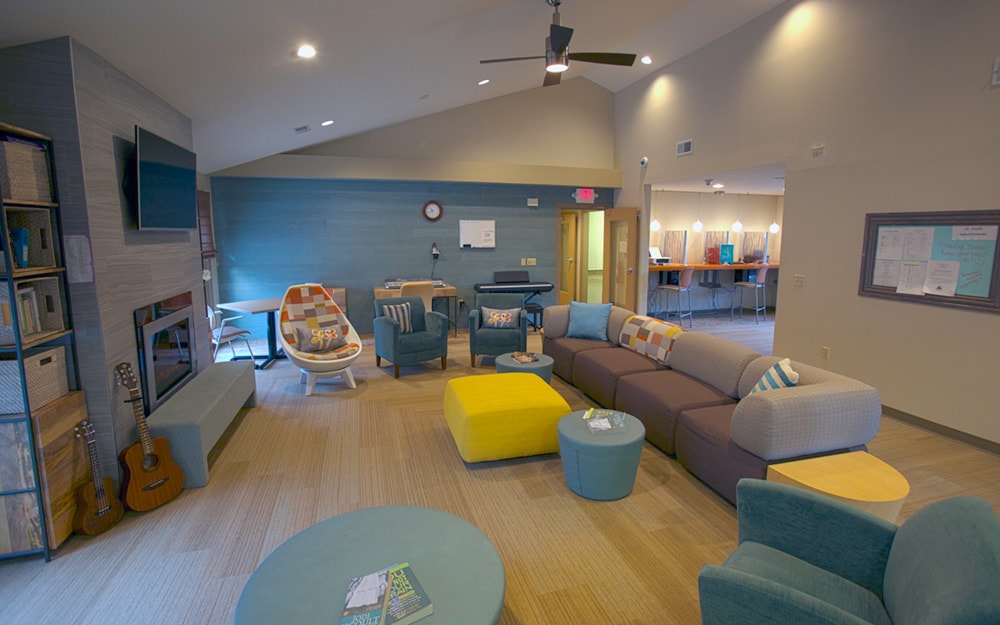
Adult Day Room
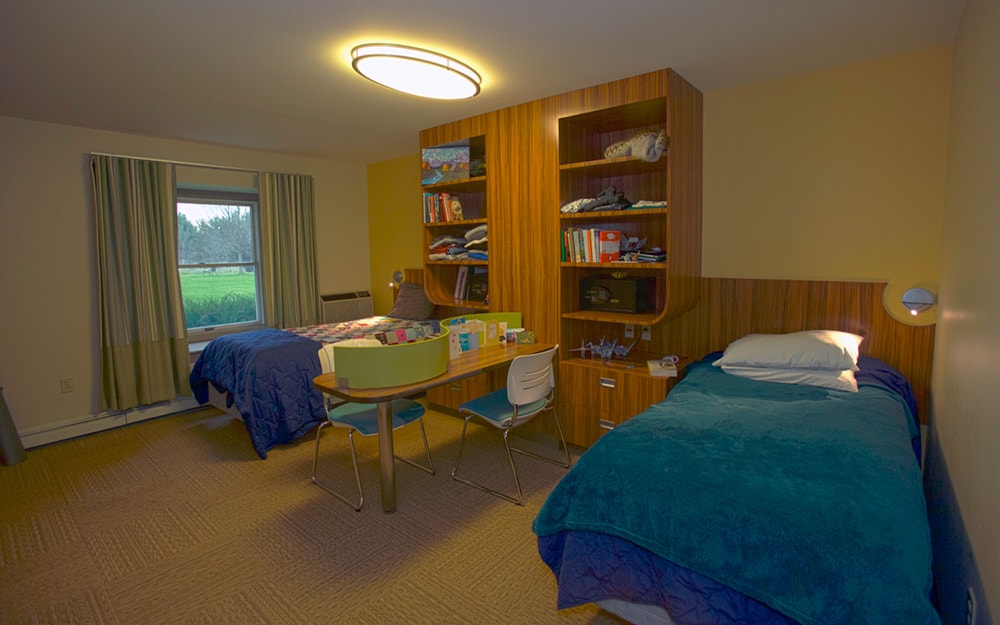
Patient Room
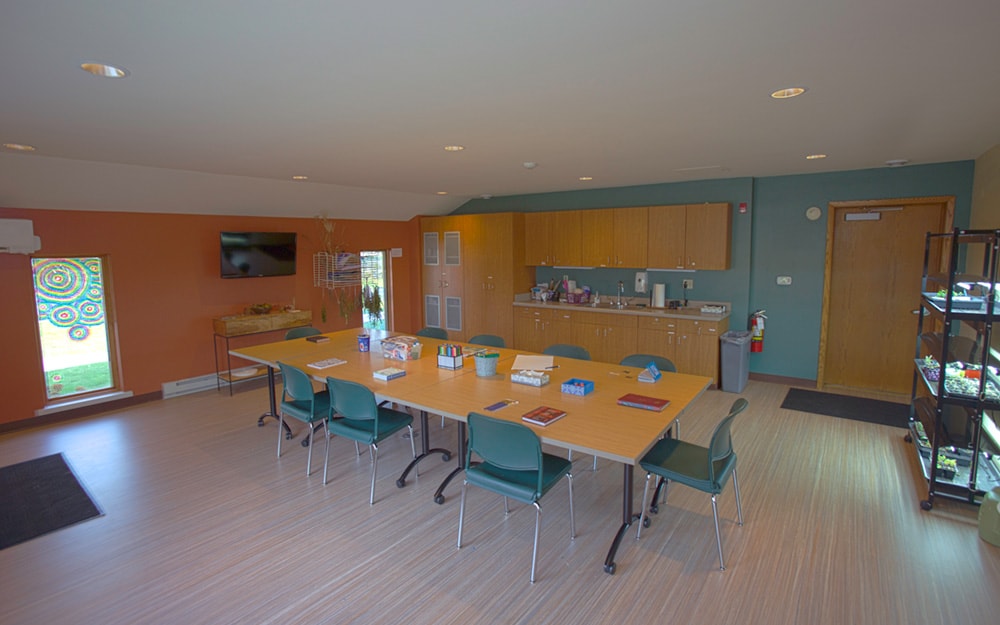
Classroom
Wondering if you could benefit from adult eating disorder residential care?
Contact us to request a free confidential screening and learn more.
Call 800-767-4411
Next steps



Successful Clinical Outcomes
Data collected before and after treatment shows Rogers' treatment works. View more successful outcomes.
Eating Disorder Examination Questionnaire
Rising Above an Eating Disorder | Jordan's Story
Jordan says it was after going through some traumatic experiences that she felt like she was losing control. She began to focus on what she could ... Read More
Share your Rogers experience
Have you or a loved one spent time at Rogers? We’d like to hear about your experience with us. Share your story.